These major differences between organic vs non-organic castor oil will help you choose the best one for your wellness and self-care!

To say the truth, both oils (organic vs non-organic) offer incredible benefits, but the way they are grown and processed matters. Now, if you are wondering whether to use organic castor oil or its non-organic counterpart, this guide has the answers.
Organic vs Non-Organic Castor Oil Key Points
1. Different Farming Practices
Organic castor oil is sourced from seeds grown without synthetic chemicals or GMOs. In organic farming, farmers rely on natural fertilizers and pest-control methods to maintain soil health.
These practices enhance biodiversity, improve water retention in soil, and reduce pollution in surrounding ecosystems.
On the other hand, non-organic castor oil comes from conventional farming, where chemical pesticides and fertilizers are commonly used to maximize the yield.
This method boosts production efficiency, but at the same time, it can harm soil structure and introduce harmful residues into the environment.
2. The Purity and Chemical Residue

From the above overview, it is obvious that the organic variant is free from pesticides and harmful chemicals. So, it is a safer option for topical use on delicate areas like lashes, brows, and skin.
Additionally, the absence of synthetic additives also means fewer chances of allergic reactions or long-term skin issues.
Again, non-organic castor oil may contain trace amounts of chemicals used during cultivation, though refining processes often reduce these residues significantly.
However, it is not recommended for use in sensitive areas and skin to avoid the bare minimum chances of irritation!
3. Nutrient Integrity
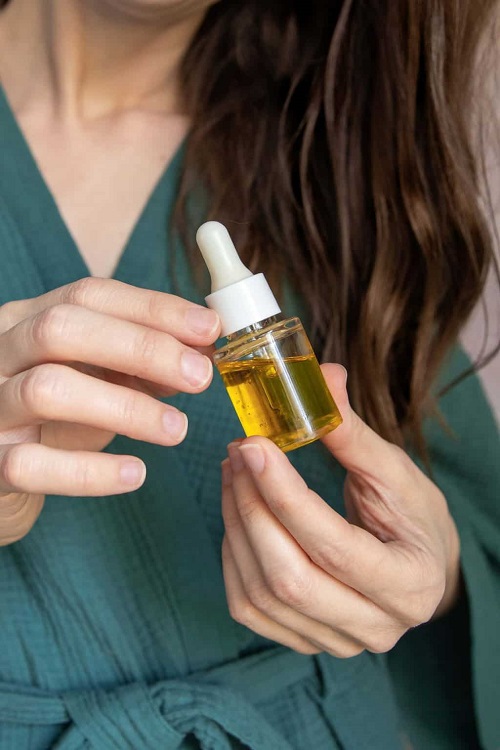
Organic Castor oil is often cold-pressed, and that is why it retains essential fatty acids, vitamin E, and ricinoleic acid, all of which are key for hair and skin health.
Key Point: These nutrients help repair damaged hair follicles, hydrate the skin, and protect against environmental stressors. The minimal processing also means the oil maintains its antioxidant properties, which makes it a great choice for anti-aging skincare.
Non-organic castor oil is heat-processed or refined, and it can lose some antioxidants and vitamins, though the main moisturizing properties remain intact.
Key Point: Refined oil is still beneficial for basic hydration, but it might not offer the same therapeutic value as an unprocessed organic variant. For best results, you can opt for cold-pressed non-organic oils as a middle ground.
4. Safety Concern for Sensitive Skin

Organic castor oil is ideal for individuals with allergies or chemical sensitivities, as it is free from harmful additives and synthetic substances.
It is often recommended for use near sensitive areas like eyelids or the lash line, where chemical exposure could cause irritation.
Pro Tip: Organic oils also reduce the risk of triggering eczema or dermatitis. A safer option for individuals with chronic skin conditions.
Non-organic castor oil is generally safe for most users. But the presence of trace pesticides or processing chemicals can cause mild irritation in some cases.
Pro Tip: If you have reactive skin, always perform a patch test before applying it to larger areas. Choosing brands that clearly state “hexane-free” or “pure” can also minimize the risk of chemical exposure.
5. The Cost and Accessibility

Organic castor is priced higher due to the costs of organic farming, quality certification, and sustainable production methods. While the price point may seem steep, you are investing in a cleaner product with better quality assurance.
It is a popular choice for people who prioritize toxin-free personal care and eco-friendly products.
Non-organic castor oil is budget-friendly and is widely available in pharmacies, supermarkets, and online stores.
Its affordability makes it suitable for regular hair oiling, DIY beauty treatments, and general moisturizing needs.
Both organic vs non-organic castor oils offer excellent moisturizing and nourishing benefits, but the choice depends on your priorities. If you value purity, sustainability, and minimal chemical exposure, organic castor oil is worth the extra cost!
So, the choice is yours after all. Let us know what you decide on! You might want to check out these guides on the use of castor oil for wrinkles and castor oil for eyelashes.